President Trump’s warning to Iran’s oil lifeline puts the regime’s cash engine—and the world’s energy stability—on a collision course.
Quick Take
- U.S. forces struck military targets on Iran’s Kharg Island, the country’s top oil-export hub, amid a widening U.S.-Israeli conflict with Iran.
- Iranian outlets reported multiple explosions and heavy smoke while claiming oil facilities were not damaged; the U.S. described key targets as “obliterated.”
- Iran’s military leadership threatened retaliation against regional oil firms it says cooperate with the United States if Iranian infrastructure is attacked.
- With the Strait of Hormuz disrupted, the fight around energy routes is intensifying pressure on global prices and household costs.
Kharg Island Strike Targets Iran’s Military Shield Around Oil Exports
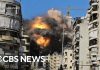
U.S. strikes hit Iran’s Kharg Island early Saturday, focusing on military sites positioned near critical export infrastructure. Reports described targets including an air defense facility, a naval base, an airport control tower, and a helicopter hangar linked to an offshore oil company. Iranian media cited around 15 explosions and thick smoke over the island. Iranian officials also claimed oil infrastructure was not damaged, leaving outside observers with limited independent confirmation.
President Trump publicly warned that further action could be taken against Iranian oil facilities, a message aimed at the regime’s revenue stream rather than symbolism. The strike’s location matters because Kharg Island handles the bulk of Iran’s crude exports, making it a pressure point in any campaign to reduce Tehran’s ability to fund military operations and regional proxy networks. The available reporting indicates the United States targeted military assets, not the export terminal itself.
War Timeline Shows Shift From Nuclear Sites to Economic Pressure
The current war began February 28, 2026, after Iranian missile and drone attacks on Israel and Gulf states prompted a U.S.-Israeli response. In 2025, U.S. strikes centered on nuclear facilities, with reporting on operations against sites including Fordow, Natanz, and Isfahan. In 2026, the operational focus appears broader, moving from nuclear-related targets toward systems that protect Iran’s ability to project power—especially air defenses and coastal assets tied to shipping lanes.
Energy sites have increasingly become part of the conflict’s terrain. Reports described Israeli strikes in early March on Tehran-area fuel and oil storage sites, followed by public health warnings tied to smoke and shortages. Analysts cited in the research warn that disrupting fuel flows can cascade into food inflation and blackouts inside Iran—effects that hit ordinary people first, even when the target set is designed to weaken the regime. That reality complicates claims from all sides about “precision” and “proportionality.”
Iran Threatens Regional Oil Partners as Deterrence Strategy
Iran’s joint military command, through spokesman Ebrahim Zolfaghari, threatened to hit oil firms in the region that it says cooperate with the United States if Iranian infrastructure is attacked. This type of threat fits Tehran’s pattern of deterrence by widening the battlefield—signaling that neighboring states could pay the price for hosting U.S. forces or facilitating logistics. For Americans watching gasoline and grocery costs, that matters because threats to Gulf energy facilities tend to ripple quickly into prices.
Iran has also used the Strait of Hormuz as leverage, and reporting in the research describes disruption there affecting a significant share of global oil trade. When that chokepoint is constrained, the consequences spread beyond the Middle East to U.S. consumers and retirement portfolios, since energy costs feed into transport, manufacturing, and food. The strategic question for Washington is how to maintain pressure on Tehran while keeping escalation from triggering a broader regional economic shock.
Conflicting Claims and Civilian Harm Reports Demand Caution
War reporting remains foggy, and the research includes competing narratives about what was hit and who was harmed. Iranian sources reported civilian deaths from a separate strike in Eyvan, including an infant, and placed overall war deaths at more than a thousand; Iraqi military officials condemned that strike. U.S. officials rejected accusations of intentionally targeting civilians. Without independent verification in the provided sources, the strongest conclusion is limited: civilian harm claims exist and are disputed.
What This Means for U.S. Interests: Energy, Deterrence, and Constitutional Priorities at Home
For a conservative audience that remembers how quickly “temporary emergencies” become excuses for government overreach, the most important domestic angle is vigilance. Energy shocks can be used to justify new federal controls, spending surges, and bureaucratic power grabs—especially if inflation rises again. The research points to real risks: a fight over oil infrastructure and shipping lanes can hit prices fast. Clear objectives, honest briefings, and congressional accountability remain essential.
🚨 BREAKING: U.S. strikes key Iranian oil hub, crippling regime's financial lifeline. The international silence is complicit in the bloodshed. Iran's freedom is worth the cost. #TrumpForIran #WomanLifeFreedomhttps://t.co/XftMki1zs1
— Masked Node (@MaskedNode) March 14, 2026
Strategically, Kharg Island sits at the intersection of deterrence and escalation. U.S. strikes that degrade air defenses and naval capacity can reduce Iran’s ability to threaten shipping and allies, but Tehran’s retaliation threats against regional energy partners raise the stakes for everyone. The research also mentions discussions about a potential Kharg seizure, but details are limited and not confirmed as policy. For now, the confirmed reality is pressure—and the world waiting to see whether Iran backs down or broadens the fight.
Sources:
The Latest: Trump threatens Iran’s oil infrastructure after US bombs strategic island
Iran Oil, Civilian Infrastructure, Israel, US
2025 United States strikes on Iranian nuclear sites