An Israeli minister waving a flag over kneeling, bound flotilla activists turned a technical blockade operation into a dark Rorschach test for how you really think power should behave.
Story Snapshot
- A Gaza-bound flotilla was intercepted at sea as a direct challenge to Israel’s long-standing naval blockade.
- Video then emerged of detained activists bound, kneeling, and guarded as a far-right minister celebrated.
- Supporters call it firm law-and-order; critics call it abuse and intimidation in international waters.
- The deeper fight is over whether a state can defend itself without visibly dehumanizing its opponents.
How A Routine Interdiction Turned Into A Political Firebomb
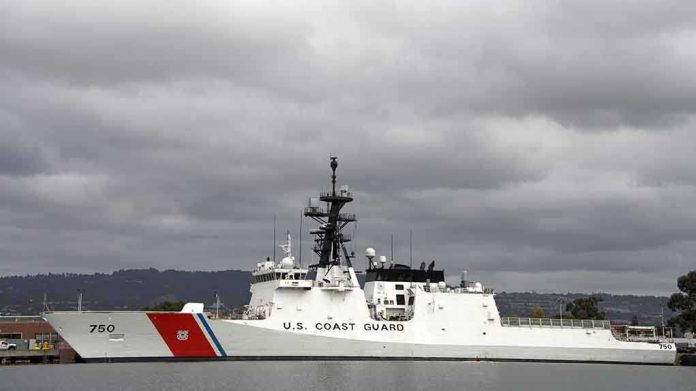
Israeli naval forces moved on the Global Sumud flotilla well off the coast, as the activist convoy sailed from the direction of Cyprus toward Gaza with a stated mix of humanitarian aid and political intent to break the blockade. Israeli sources described an orderly interception of dozens of vessels and hundreds of activists, with ships escorted toward Ashdod port for processing under the country’s blockade policy and security laws.[1][2] Activist livestreams, however, showed abrupt, forceful boarding before cutting off.[1]
Once the ships were under control, the story could have remained a dry maritime-law dispute: was this legitimate blockade enforcement or unlawful interference in international waters?[1] That changed when footage surfaced of detained activists onshore, lined up, hands bound, kneeling on the pavement with their heads down as armed guards stood over them. Reports state that National Security Minister Itamar Ben-Gvir arrived, waved an Israeli flag, and taunted them as “terror supporters,” a scene that sparked immediate outrage inside and outside Israel.
Blockade Law, Humanitarian Claims, And The Conservative Instinct For Order
Israeli officials insist the naval blockade, in place since 2007, is both lawful and essential to keep weapons from reaching Hamas in Gaza.[1][2] From that vantage point, the flotilla’s own branding as a mission to “break the blockade” concedes that this was a deliberate challenge to sovereign security policy, not a neutral aid shipment.[1] Conservative common sense tends to side with a state’s right to control its borders and sea lanes, especially when hostile actors have used maritime routes to smuggle arms and materials for rockets.
Flotilla organizers counter that their mission was humanitarian and symbolic, meant to deliver aid and spotlight Gaza’s isolation rather than ferry contraband.[1] They note that ships were reportedly boarded in what they describe as international waters, far from Israel’s territorial sea, and they present the operation as an act of “piracy” rather than legal enforcement.[2] That framing resonates strongly on social media, especially when images show unarmed civilians being dragged from small boats by heavily armed commandos who clearly controlled the battlespace from the outset.
The Ben-Gvir Video: Strength, Humiliation, Or Both At Once?
The viral video of bound, kneeling detainees is where the legal argument gives way to the moral and political one. Law-and-order voters may feel instinctively that people who knowingly sail into a declared blockade zone should expect rough handling and a firm show of authority. States at war or under threat rarely treat blockade runners like cruise passengers. From that perspective, the restraints and controlled posture might look like standard security procedure for mass detainees in a tense environment.
BREAKING: Israeli Navy intercepts Global Sumud aid flotilla in international waters.
Naval forces boarded the vessels one by one to intercept the multinational civil society mission carrying food and medicine to Gaza. Over 100 international activists have been detained and… pic.twitter.com/RCYJZYTbB5
— Hoot Republic (@HootRepublic) May 19, 2026
Ben-Gvir’s theatrics, however, shift the optics from security to humiliation. A senior minister waving a flag over kneeling foreigners and barking that his side are the “landlords” does not communicate sober enforcement; it projects dominance for its own sake. American conservative values classically marry strength with restraint and respect for human dignity, even toward opponents. The more the scene looks like gloating over captives rather than necessary control, the weaker the moral case becomes, regardless of whether the underlying blockade is lawful.
The Battle For Narrative Sea-Lanes
Media and political leaders immediately split along familiar lines. Israeli statements and sympathetic outlets stressed the flotilla’s role as a “Hamas-led public relations stunt” and highlighted that the navy intercepted dozens of vessels without reported deaths, presenting it as disciplined, restrained force.[1] European critics and pro-Palestinian media emphasized that forces moved in “international waters,” cast the boarding as an “attack,” and amplified allegations of beatings and harsh detention conditions once activists reached Israeli custody.[2]
Both sides exploit the same scarcity of hard documentation. Reports confirm numbers of boats seized and activists detained but do not yet show detailed cargo manifests, radio logs proving exact warning sequences, or full, independent medical records of alleged abuse.[1][2] That void allows each camp to tell the story its audience expects: either a sovereign state defending itself from propagandists at sea, or a powerful military humiliating peaceful activists to protect an unjust blockade. The Ben-Gvir clip becomes the emotional centerpiece either way.
What This Episode Reveals About Power, Not Just Policy
Strip away the flags, the chants, and the hashtags, and this incident exposes an uncomfortable truth: power under pressure tends to reach for gestures that feel satisfying in the moment but cost legitimacy later. A quiet, professional interdiction with minimal imagery would have left critics arguing over legal minutiae. A minister turning detainees into a backdrop for nationalist theatrics hands opponents exactly the symbol they need to frame Israel as abusive rather than merely assertive.
For those who prize both security and ordered liberty, the lesson is sharp. A state can defend its borders, enforce a blockade, and detain those who openly challenge its rules. But when officials appear to revel in the humiliation of restrained civilians—no matter how misguided those civilians may be—it corrodes the moral high ground that conservative principles rely on. The flotilla confrontation will fade; the image of a leader celebrating over bound, kneeling people will linger far longer in the world’s memory.
Sources:
[1] Web – Israeli Navy intercepts vessels in Gaza-bound flotilla off …
[2] YouTube – Global Sumud Flotilla LIVE: Israeli Army Intercepts Gaza- …