
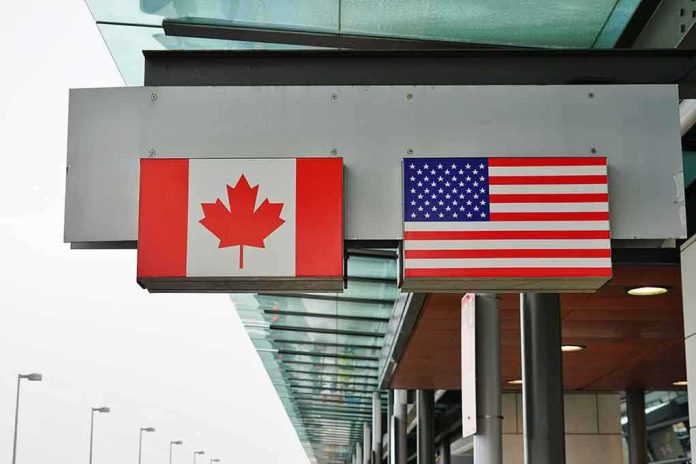
Canada’s fragile, debt‑soaked economy is heading into a 2026 trade showdown that could trigger the kind of slow‑burn collapse globalists never admit—but every prudent American should watch closely.
Story Snapshot
- Canada faces a 2026 review of its USMCA/CUSMA trade deal, and a serious rupture could slam exports, jobs, and growth for years.
- Runaway public spending, a housing bubble, and record household debt have left Canada dangerously exposed to higher rates and market shocks.
- Experts see stagnation, not instant collapse—yet interacting risks could produce long-term decline and social strain.
- For U.S. conservatives, Canada is a cautionary tale of big government, welfare-state dependence, and overreliance on one trading partner.
How A Trade Shock Could Push Canada To The Brink
The central risk hanging over Canada in 2026 is the formal review of the Canada‑United States‑Mexico Agreement, the trade pact that replaced NAFTA. If that review breaks down and the deal unravels, Canadian exporters could suddenly face higher tariffs and new barriers in their single most important market. Roughly three‑quarters of Canada’s exports go to the United States, an extreme dependence on one customer. When that customer resets the terms, the smaller partner feels the pain first and worst.
Analysts do not predict an overnight crash, but they warn that losing or weakening preferential access would undercut investment, hiring, and wages across manufacturing, autos, agriculture, and some services. Business forecasters already expect only 1% to 2.2% real GDP growth for Canada in 2026—barely keeping ahead of population. If tariffs jump and supply chains shift south, that sluggish baseline could quickly turn into recession, especially in factory corridors that rely heavily on cross‑border trade.
Housing, Debt, And Affordability: A Crisis Decades In The Making
Long before this trade showdown, Canadian policymakers built a house of cards at home. Years of ultra‑low interest rates, aggressive immigration targets, and tight zoning drove home prices far beyond incomes. By the 2010s and 2020s, Canada ranked among the worst in the world on house‑price‑to‑income ratios, with families taking on massive mortgages just to get into cramped urban condos. High household debt, mostly tied to housing, now leaves the entire economy extremely sensitive to interest‑rate swings and price declines.
When inflation spiked after the pandemic, the Bank of Canada slammed on the monetary brakes. Mortgage costs surged, rents climbed, and an already severe affordability crisis turned into open political frustration. Forecasts for 2026 still describe housing and affordability as central drags on consumer confidence and social stability. If a trade shock—or an asset‑price correction in real estate or AI‑linked stocks—hits at the same time, heavily indebted homeowners could see falling prices, higher payments, and job insecurity all at once, a toxic mix that deepens resentment toward big‑spending elites.
Stagnant Productivity And The Weight Of The Welfare State
Underneath these visible pressures lies a quieter structural problem: Canada’s productivity has lagged behind the United States and other advanced economies for years. Businesses invest less, innovate more slowly, and operate within heavy layers of regulation and climate‑driven restrictions. That weak productivity means incomes grow slowly, even when headline GDP is positive. It also limits the tax base needed to fund a generous welfare state of public health care, pensions, and income supports that politicians have repeatedly promised to expand.
Demographic aging intensifies the squeeze. As more Canadians retire and fewer workers support them, pension and health‑care costs rise while productivity and investment sag. Analysts warn that over time, high public debt, chronic deficits, and weak growth could force painful choices: higher taxes on an already stretched middle class, cuts to social programs, or both. None of this resembles an instant collapse, but it does look like the slow erosion of living standards that many commentators describe—sometimes dramatically—as the beginning of national decline.
What “Collapse” Really Means: Stagnation, Not Sudden Failure
When online commentators claim “Canada will collapse if this happens,” they usually point to one big trigger, like a failed trade review or a housing crash. Professional analysis paints a more sobering but less sensational picture. Canada’s institutions—its courts, central bank, and political system—are generally stable enough to avoid outright state failure. The more realistic risk is a long stretch of sub‑2% growth, high debt, strained public services, and simmering public anger over affordability, immigration, and regional inequality.
In that scenario, households face weaker wage growth, higher taxes, and reduced quality of government services, while young families are priced out of homeownership. Export‑dependent communities in Ontario, Quebec, and the resource‑rich West could see recurring job losses whenever global markets or Washington shift course. Rising tensions between provinces, and between urban elites and struggling regions, would mirror trends Americans have watched develop under left‑leaning, big‑government policies for years.
Canada will COLLAPSE if this happens https://t.co/s0sYuqmJIl via @YouTube
— FutureEclipse 🇨🇦🇺🇸 (@EclipseofFuture) January 8, 2026
For conservative Americans who just rejected Biden’s inflation, open‑border chaos, and globalist entanglements, Canada’s situation is a warning label. Heavy reliance on a single trade partner, oversized government promises, and a political class addicted to spending and regulation leave nations fragile when real‑world shocks arrive. As the United States reasserts secure borders, energy independence, and pro‑growth policies, Canada’s 2026 tests show what happens when leaders ignore basic economic discipline—and why vigilance against the same mistakes at home matters.
Sources:
Beyond the forecast: Six themes for Canada’s economy in 2026
Canada’s market rally enters 2026: Growth ahead, gains may be tamer
The Canadian economy faces three big risks in 2026
Canadian economic outlook for 2026
Canadian dollar is poised to climb higher against U.S. dollar barring trade risk