President Trump’s new tariff policy reignites geopolitical tensions, threatening to fracture NATO alliances.
Story Overview
- Trump imposes tariffs on eight NATO countries to pressure Greenland’s purchase.
- Tariffs start at 10% on February 1, escalating to 25% by June 1 without a deal.
- NATO allies’ troop presence in Greenland is seen as provocative by Trump.
- Denmark and NATO allies reject the sale, citing sovereignty concerns.
Trump’s Tariff Announcement Sparks International Tensions
On January 17, 2026, President Donald Trump announced sweeping tariffs on eight NATO countries, including Denmark, Norway, and the United Kingdom. This decision aims to leverage a deal for the U.S. to acquire Greenland, a strategic Arctic territory. The tariffs, starting at 10% and increasing to 25% by June, target countries involved in military exercises in Greenland, perceived by Trump as undermining U.S. interests.
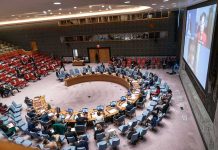
NATO countries have responded with strong opposition. Denmark, which oversees Greenland, has repeatedly stated that the territory is not for sale. European leaders, such as France’s Emmanuel Macron, have condemned the U.S. tariffs as attempts at intimidation. Sweden’s Ulf Kristersson has urged a united front against what he calls economic blackmail.
The Strategic Importance of Greenland
Greenland’s significance lies in its Arctic position, offering potential for mineral resources and strategic military installations, such as missile defense systems. The U.S. has long been interested in securing this region to counteract growing Russian and Chinese influence in the Arctic. However, Denmark’s sovereignty over Greenland presents a significant hurdle, compounded by European allies’ solidarity with Denmark.
As tensions rise, the U.S. Congress has expressed concerns over the potential fracture in NATO relations. A bipartisan delegation recently visited Greenland to reassure allies and emphasize diplomacy over economic coercion. The Supreme Court is also reviewing the legal basis for the tariffs under the International Economic Emergency Powers Act.
Potential Impacts of the Tariff Strategy
The imposition of these tariffs threatens to disrupt trade between the U.S. and its European allies. In the short term, American consumers could face higher prices on imported goods, while European exporters may experience reduced market access. Long-term effects could include strained NATO relations and potential retaliatory measures from the EU, undermining decades of transatlantic cooperation.
Protests have erupted in Greenland and Denmark, reflecting public discontent with the perceived threat to national sovereignty. Despite the geopolitical friction, NATO exercises in the Arctic continue, with allies emphasizing routine training rather than political posturing.
Sources:
Trump Announces Tariffs on NATO Allies Opposing U.S. Control
Trump Greenland Tariffs Target NATO Allies
Trump’s Greenland Military Tariffs: International Response
Trump Hits 8 EU Countries with Tariffs Over Greenland Stance